
Vietnam Travel Essentials: 10 Things to Know Before You Go
Quick answer: The Vietnam travel essentials to sort before you fly are your entry permission (visa exemption or e-visa), some cash in Vietnamese dong, a local SIM or eSIM, the Grab app and a universal plug adapter. Everything else, from tipping to temple dress, is easy once you know the basics below.
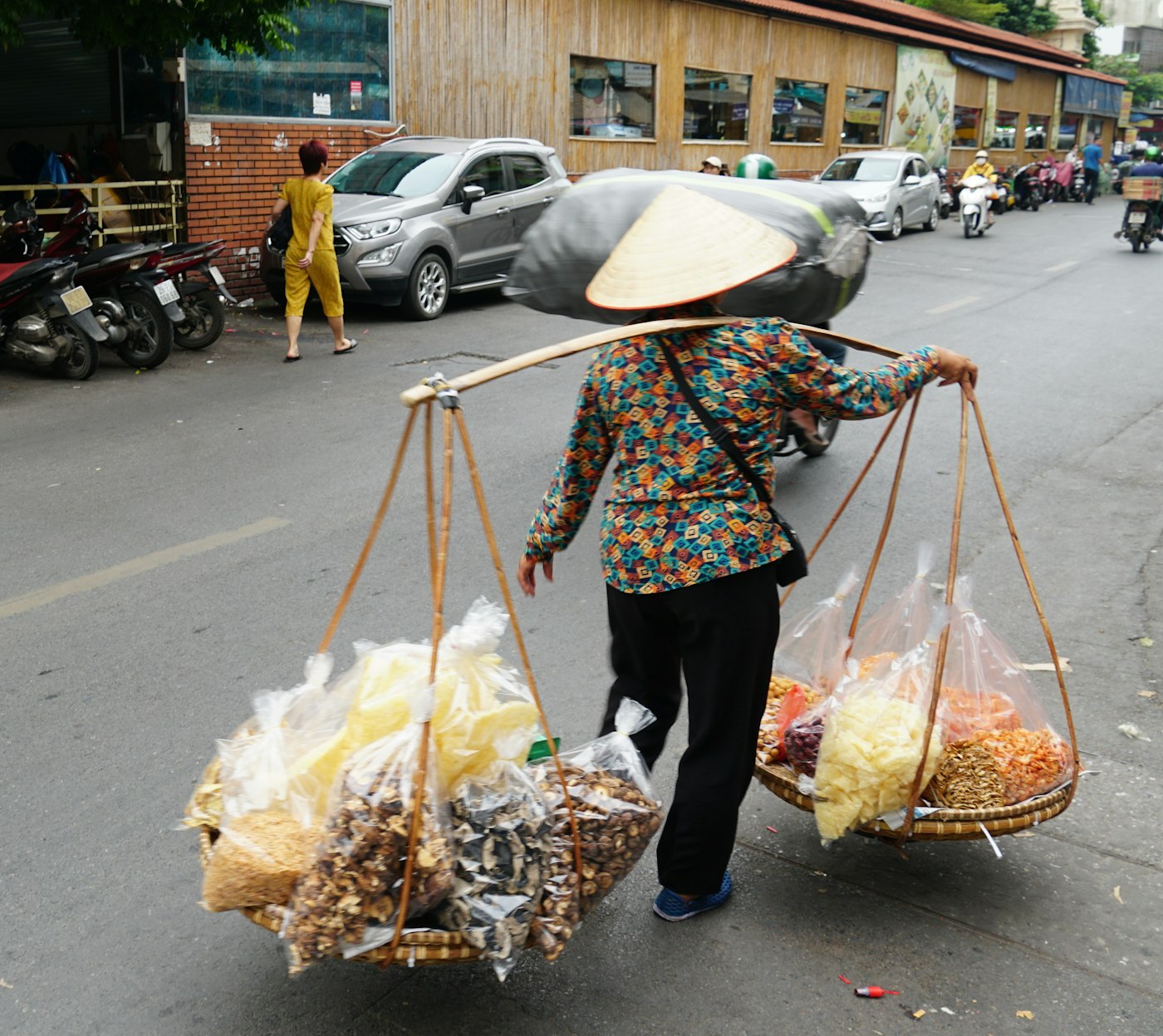
1. Visa or e-visa
Vietnam issues e-visas to citizens of all countries, valid for up to 90 days, with single and multiple entry options. Citizens of a list of countries, including many European nations, can enter visa-free for a limited stay, often up to 45 days. Travelers from countries such as the United States and Australia need an e-visa. Rules change, so always check the official Vietnam tourism visa requirements before you book flights, and apply only through the government e-visa portal.
2. Money: cash, cards and ATMs
The currency is the Vietnamese dong (VND). Hotels, larger restaurants and tour companies accept cards, but street food, markets, taxis in small towns and homestays usually want cash. ATMs are common in Hanoi and tourist towns; withdraw larger amounts less often to save on fees. Carry small notes for snacks and tips.
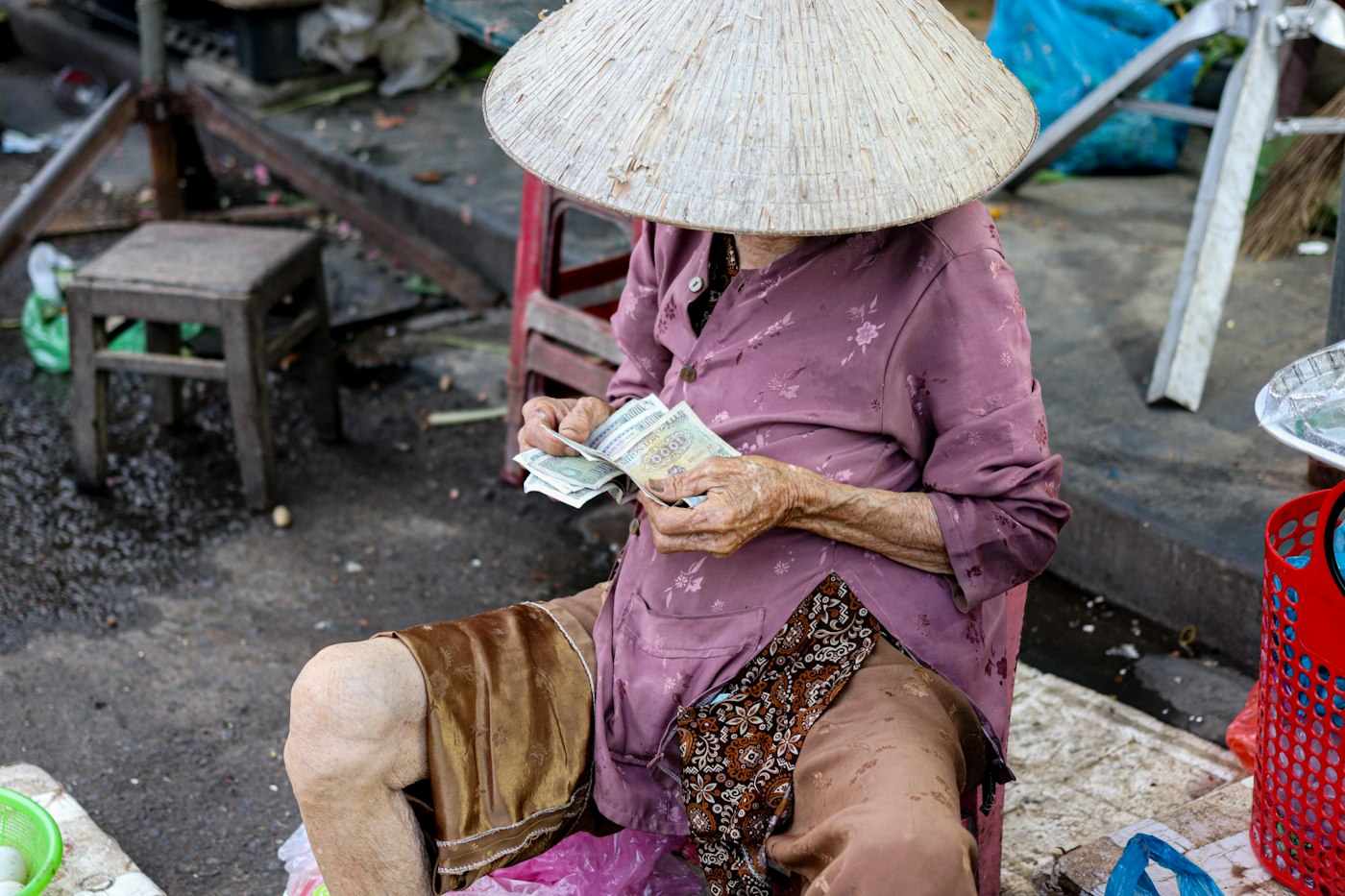
3. Tipping
Tipping is not compulsory but is appreciated, especially for guides, drivers and cruise crews. Many travelers leave a small tip at the end of a tour. In local restaurants, rounding up the bill is enough.
4. SIM card or eSIM
Mobile data is cheap and fast. Buy a tourist SIM at the airport or install an eSIM before you fly. You will need data for maps, translation and Grab.
5. Getting around: Grab and taxis
Grab works for cars and motorbike taxis in Hanoi and most cities, and shows the price before you ride. For the trip into town on arrival, see Hanoi airport to the Old Quarter.
6. Plugs and power
Vietnam uses 220V electricity. Sockets usually take two-pin plugs (flat or round), so bring a universal adapter if your plugs are a different type.
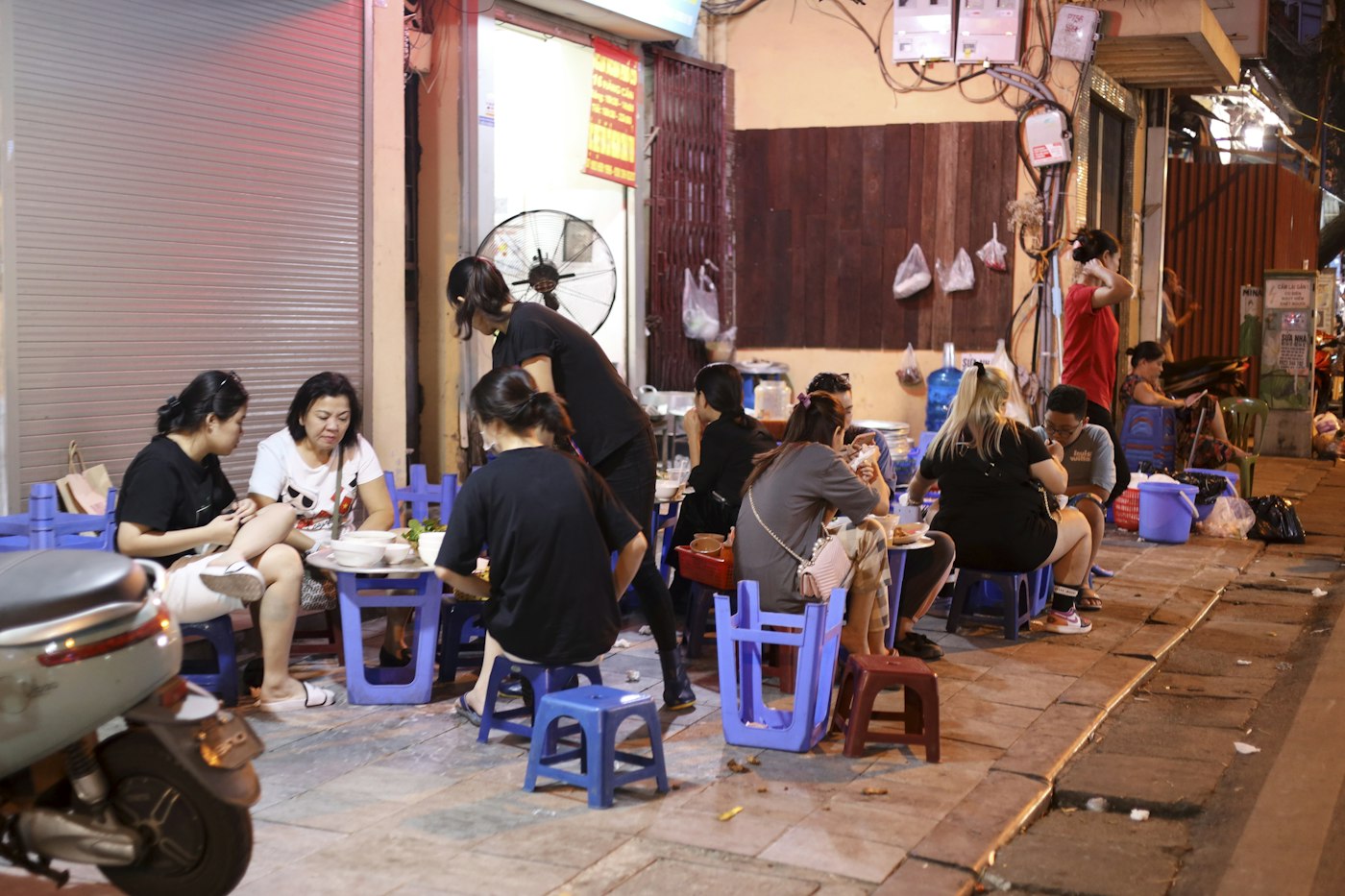
7. Crossing the street
Traffic looks chaotic, but it flows. Walk slowly and steadily, make eye contact with drivers and do not stop suddenly or run. Motorbikes will go around you.
8. Food and water
Street food is one of the best parts of a trip to Vietnam. Choose busy stalls with fast turnover and drink bottled or filtered water. Read our guides to Hanoi street food and avoiding getting sick in Vietnam.
9. What to wear at temples
Cover your shoulders and knees when you visit pagodas, temples and the Ho Chi Minh Mausoleum. A light scarf or sarong in your day bag is useful.
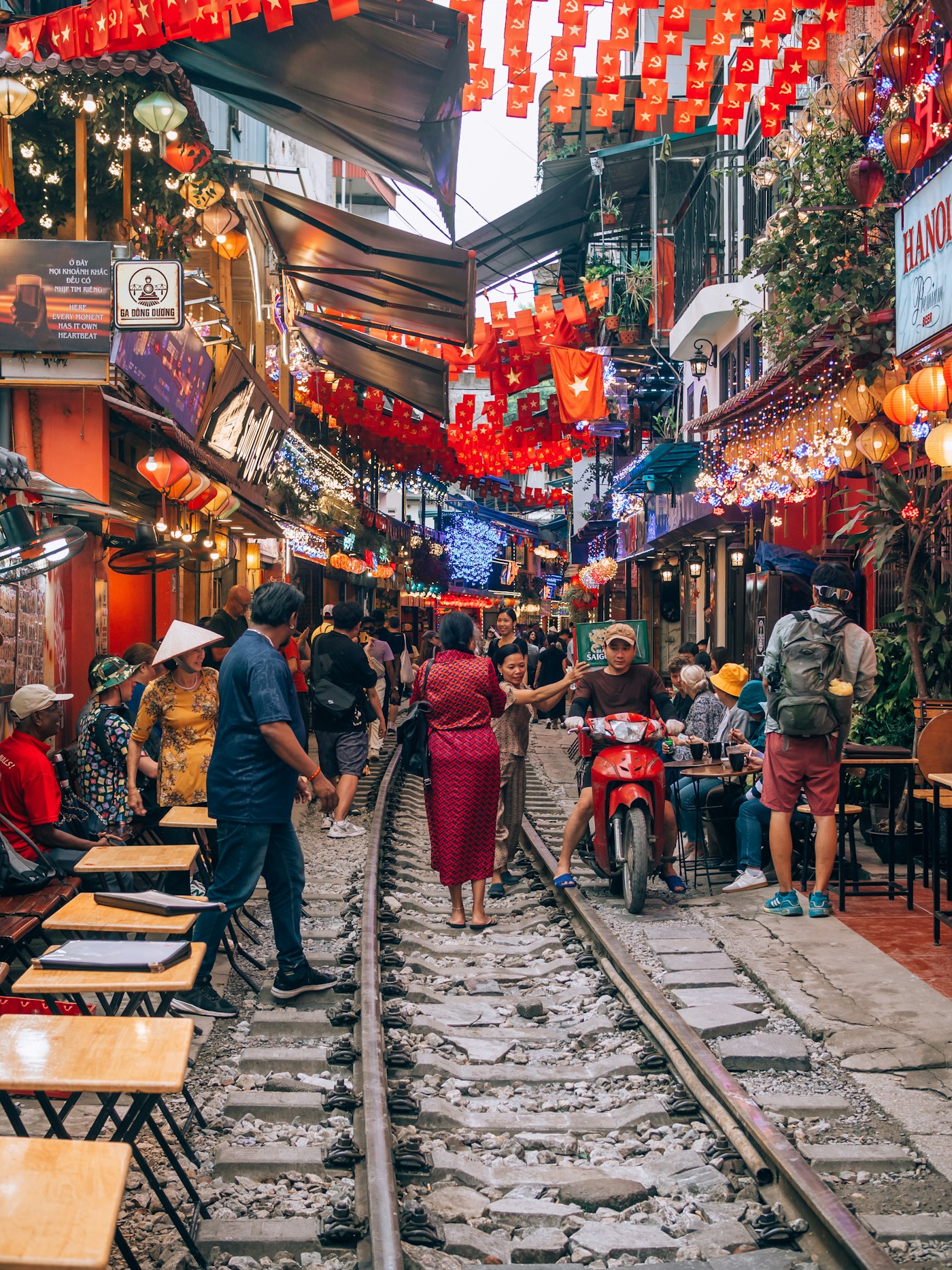
10. Weather and packing
The north has real seasons: winters are cool and summers are hot and humid. Pack layers from November to March and light, breathable clothes from May to September. Read the best time to visit Northern Vietnam before you choose your dates.
Vietnam travel essentials checklist
- Passport valid for at least six months, plus e-visa if needed
- Some VND cash for the first day
- eSIM or local SIM, with Grab installed
- Universal plug adapter
- Light scarf for temples
- Travel insurance
Frequently asked questions
Do I need cash in Vietnam?
Yes, for street food, markets and small shops. Cards work in hotels and larger restaurants.
Can I get a visa on arrival?
Most tourists use the e-visa instead. Check the official requirements for your nationality before you travel.
What are the most important Vietnam travel essentials?
Valid entry permission, some cash, mobile data and a plug adapter. The rest you can buy in Hanoi.
Related guides
- Hanoi airport to the Old Quarter
- Best time to visit Northern Vietnam
- How to avoid getting sick in Vietnam
- Hanoi street food
Plan your trip with Entdecke Vietnam
Book with a 20% deposit and pay the rest at check-in. Our local team in Hanoi answers your questions on WhatsApp.

